Guides
Starting a sign shop: the real startup costs and how owners fund them
Opening a sign shop costs real money before the first order ships, and most owners fund it from personal savings, equipment loans, or a mix of both.
What to take away
- A lean sign shop with used equipment and a leased space can open for $20,000 to $45,000. A full build with new equipment, a vehicle, and full stock runs $100,000 to $250,000 or more.
- The wide-format printer is the largest single line. A new 54-inch to 64-inch roll-to-roll unit from Roland DG, Epson, or Mimaki typically costs $16,000 to $25,000; a used one with parts support runs $3,000 to $10,000.
- Most independent shops fund the launch from personal savings plus an equipment loan or lease. SBA-backed loans and supplier terms cover the rest.
- Fixed costs hit before revenue does, so budget three to six months of expenses on hand.
- Confirm every license, zoning rule, and landlord sign criterion in writing before signing a lease.
This article covers general sign-shop business information. It is not individualized sign-code, permitting, electrical, structural, or legal advice. Requirements depend on the sign, location, and jurisdiction, so confirm details with the relevant authority.
Where the money actually goes
Startup cost breaks into three buckets: equipment, facility, and working capital. Equipment is the biggest and the most negotiable.
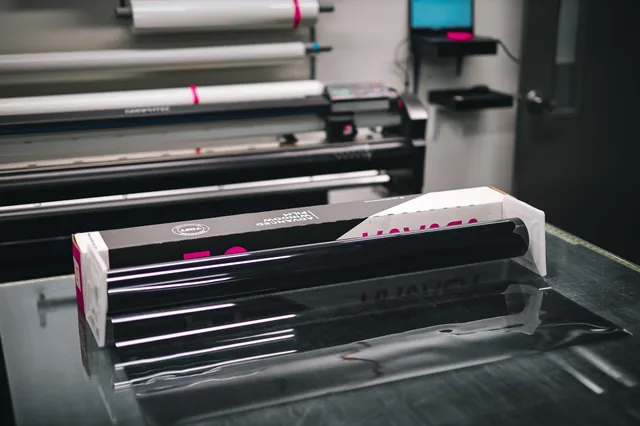
A new 54-inch roll-to-roll printer typically runs $16,000 to $25,000. Epson's SureColor S40600 at 64 inches, Roland DG's TrueVIS VG3-540 at 54 inches, and the Mimaki JV300-160 all sit in that band.
Working capital covers vinyl rolls, acrylic sheets, LED modules, ballast, and the labor to fabricate before a customer pays. Net 30 terms from a supplier help, but only after the shop has a credit history.
Lean build
- Wide-format printer (54 in to 64 in)
- $3,000 to $10,000 used
- Laminator (55 in to 65 in)
- $3,000 to $8,000
- Vinyl cutter (24 in to 64 in)
- $1,500 to $10,000
- CNC router (4 by 8 ft, if routed work is in scope)
- Outsource routed work
- Work vehicle
- Use personal vehicle
- First stock (vinyl, acrylic, LED)
- $3,000 to $10,000
- Rent and deposit
- $1,000 to $2,500 a month, plus one to three months down
- Insurance and licenses
- $1,500 to $4,500 a year
- Total startup budget
- $20,000 to $45,000
Full build
- Wide-format printer (54 in to 64 in)
- $16,000 to $25,000 new
- Laminator (55 in to 65 in)
- $3,000 to $8,000
- Vinyl cutter (24 in to 64 in)
- $1,500 to $10,000
- CNC router (4 by 8 ft, if routed work is in scope)
- $12,000 to $60,000
- Work vehicle
- $15,000 used to $40,000 and up new
- First stock (vinyl, acrylic, LED)
- $3,000 to $10,000
- Rent and deposit
- $1,000 to $2,500 a month, plus one to three months down
- Insurance and licenses
- $1,500 to $4,500 a year
- Total startup budget
- $100,000 to $250,000 or more
Funding note
- Wide-format printer (54 in to 64 in)
- Equipment loan or lease
- Laminator (55 in to 65 in)
- Savings or lease
- Vinyl cutter (24 in to 64 in)
- Savings
- CNC router (4 by 8 ft, if routed work is in scope)
- Equipment loan or lease
- Work vehicle
- Auto loan or cash
- First stock (vinyl, acrylic, LED)
- Supplier terms or savings
- Rent and deposit
- Savings
- Insurance and licenses
- Savings
- Total startup budget
- Plus three to six months of fixed costs
These are illustrative ranges. Get current quotes from at least two equipment dealers and one supplier before committing.
Monthly costs continue after launch. Typical fixed costs include rent at $1,000 to $2,500, insurance at $100 to $300, and the equipment loan or lease payment described above. Ink and media run $300 to $1,200, and labor runs $2,500 to $6,000 per employee. Your numbers depend on space, equipment debt, and order volume.
How owners actually fund it
Personal savings covers the deposit, the first stock, and the gap between paying for materials and getting paid. Most owners put in a meaningful share of their own money first. SBA lenders often look for a 10 to 20 percent down payment from the borrower.
Equipment loan vs lease
Equipment loan
- Cash upfront
- Higher
- Monthly payment
- Builds equity
- Total cost
- Lower over term
- Cash flow
- Tied up early
Equipment lease
- Cash upfront
- Lower
- Monthly payment
- About $500 to $560
- Total cost
- Higher over term
- Cash flow
- Stays free
An equipment loan or lease spreads the printer and laminator cost over three to five years. A $25,000 printer on a 60-month lease at typical rates runs about $500 to $560 a month. A lease keeps cash free but costs more over the full term. A loan builds equity but ties up cash flow early.
Stearns Bank, Balboa Capital, Beacon Funding, and Crest Capital all write sign and print equipment paper. Quoted rates commonly land between 7 and 20 percent APR, set by credit score and collateral.
SBA-backed loans through a participating bank offer longer terms and lower down payments than a standard commercial loan. The SBA business guide walks through eligibility and the application steps. 7(a) loans reach $5 million, and Microloans cap at $50,000 through community lenders.
The SBA does not hand out grants to start a business. State economic development offices, CDFIs, and local chambers sometimes do, usually tied to a downtown district or a hiring commitment.
Supplier terms let a shop buy vinyl and substrate on Net 30 once it has a track record. Distributors including Grimco, Fellers, N. Glantz & Son, and Hyatt's extend terms to established accounts. New shops usually start on prepay or credit card until the supplier extends terms.
A business credit card bridges the first months. Chase Ink Business Cash and American Express Blue Business Plus both carry 0% introductory APR periods, typically 12 months.
Some owners bring in a partner or a small investor for the equipment buy. That trades equity for cash, and the terms belong in writing before any money moves.
Confirm regulatory dependencies
Every sign shop needs a business license, a sales tax permit, and a registered business structure. The IRS starting a business page covers structure, tax ID, and recordkeeping from day one.
Expect $50 to $500 to form an LLC or corporation, set by the state. A local business license runs $50 to $500 a year. A sales tax permit is usually free.
Zoning and sign codes govern what a shop can fabricate and install for customers. Confirm with the municipal building or planning department and the authority having jurisdiction before quoting a job that needs a permit.
If the shop does installation work, check installer credentials against state contractor board rules and OSHA 1926 requirements. The OSHA printing industry page links to standards and hazard guidance for print operations.
In Canada, pricing often tracks U.S. ranges but shifts with exchange rates, freight, and provincial sales tax. Permits come from municipal planning or building departments, and business registration runs through the province or the federal corporation system.
A sign shop license requirements checklist keeps permit and licensing questions visible before fabrication starts, not after.
Equipment: what to buy first
Buy the printer first. Without it, the shop cannot produce the core product, and outsourcing every job erodes margin fast.
A 54-inch printer handles most banner, decal, and vehicle graphics work. A 64-inch model opens larger substrates and higher throughput, but needs more floor space.
A laminator protects printed output and extends outdoor life. Skipping it means reprints and unhappy customers, so most shops buy one alongside the printer.
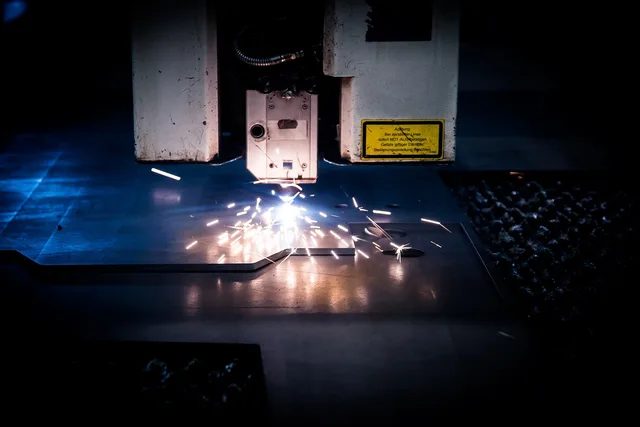
A vinyl cutter handles lettering, decals, and small runs. A CNC router cuts acrylic, aluminum, and composite panel for channel letters and monument signs. Buy the router only when routed work is a real part of the order mix.
Used equipment can cut the entry cost, but confirm service history, part availability, and manufacturer support before buying. Replacement print heads alone typically cost $1,000 to $2,500 each.
Facility, inventory, and the first slow season
Lease a space with room for a printer, a work table, and a vehicle bay if installation is in scope. Confirm the landlord's sign criteria and zoning use before signing.
Many leases are triple net, which adds taxes, insurance, and maintenance on top.
Set reorder points for vinyl rolls, acrylic sheets, and ballast so a job never stalls waiting on stock. Run a monthly count against shrinkage to catch waste and theft early.
The first slow season is the real test. A shop that budgeted three to six months of fixed costs survives it. A shop that spent everything on equipment does not.
Keep a cash reserve equal to two months of fixed costs. That reserve is what lets the owner turn down a bad job instead of taking it to make payroll.
Marketing that brings sign work in
Track referral sources, close rates, and cost per job from the first month. A shop that does not know where its work comes from cannot repeat what works.
A first-year marketing budget of 5 to 10 percent of projected revenue is a typical planning range. A shop projecting $150,000 in first-year revenue would set aside $7,500 to $15,000.
Local business contacts, contractor referrals, and repeat commercial accounts carry most independent shops. A sign shop startup and market guide covers the market side in more depth.
Price wraps, channel letters, and monument signs so materials, labor, and margin hold. A full vehicle wrap typically retails for $2,500 to $5,000, a fabricated and installed channel letter for $200 to $1,200, and a monument sign for $5,000 to $30,000. A job priced to win the bid but lose money on install is worse than no job.
Common questions
How much does it cost to open a sign shop?
A small shop with a used printer, a laminator, a cutter, and a leased space can open for $20,000 to $45,000. A shop with new equipment, a vehicle, and full stock runs $100,000 to $250,000 or more. Get current quotes before setting a budget.
What funding sources do sign shop owners use?
Most use personal savings for the deposit and first stock, then an equipment loan or lease for the printer and laminator. SBA 7(a) loans, Microloans, and supplier Net 30 terms cover the rest once the shop has a track record.
Do I need a license to open a sign shop?
Yes. A business license, a sales tax permit, and a registered business structure are the baseline, and filing fees typically run $50 to $500. Installation work adds contractor and OSHA requirements. Confirm every requirement with your state and municipal authorities.
Should I buy new or used equipment?
Used equipment lowers the entry cost; new equipment brings warranty and support. Match the choice to your order mix and cash reserve.
Before committing to a lease or a used machine, read how to start a sign shop that survives its first slow season.