Guides
Sign Shop Design Services vs. Design Studios
A practical overview of sign shop design services and design studios, with guidance on scope, approvals, file handoff, and questions to ask before hiring.
What to take away
- Sign shop design services tie artwork to fabrication, permitting, and installation tools.
- Design studios focus on creative direction, campaign systems, and brand assets.
- Compare scope, revision limits, file ownership, and fee triggers before you pay a deposit.
- Ask for a written proof schedule and a named approver on both sides.
- A design fee is not the same as a change-order budget.
The comparison is not about talent. It is about fit for a sign project that must pass permit review and reach the wall.
Scope: What Each Provider Actually Designs
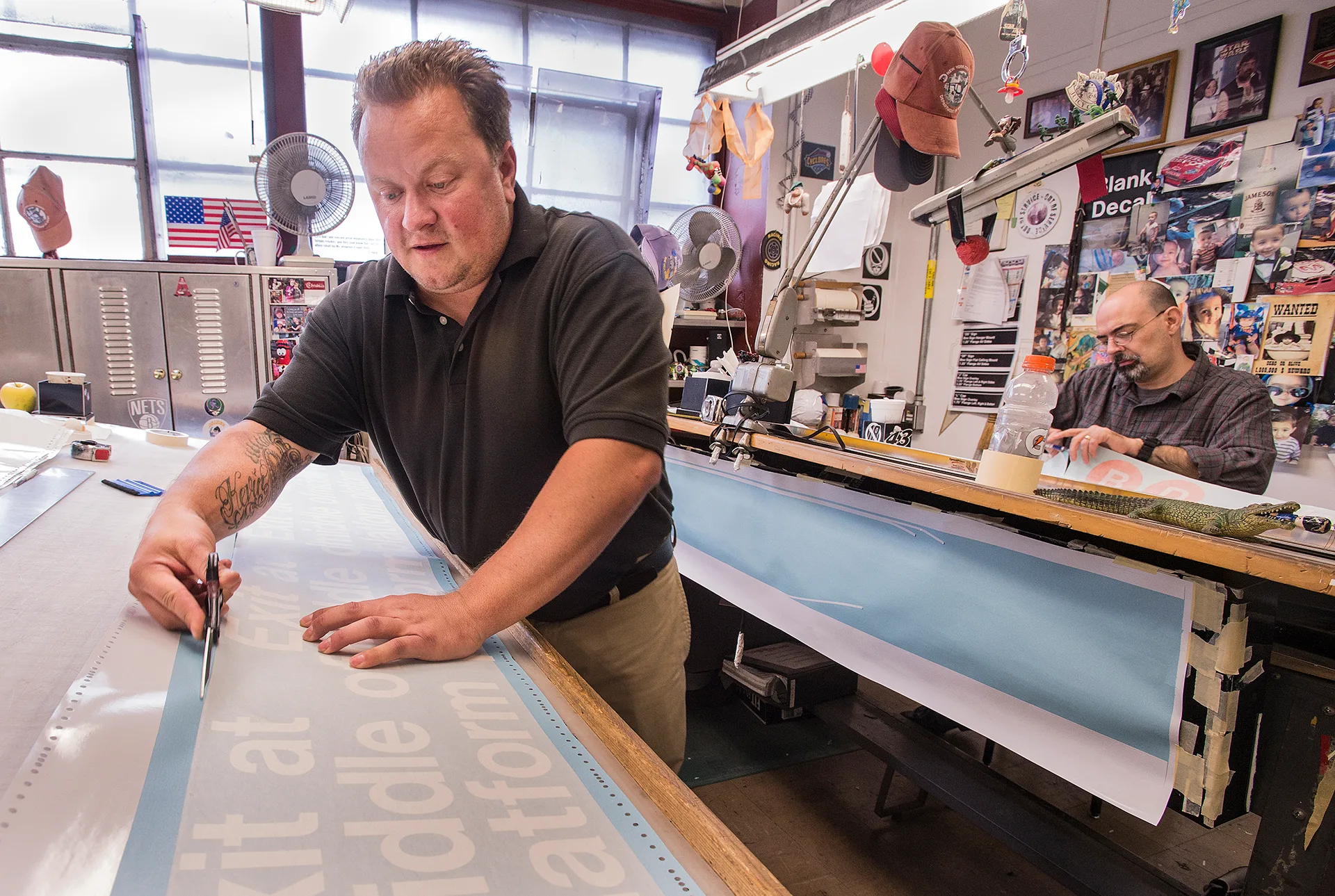
The sign shop vs design studio choice comes down to production fit versus campaign reach. A sign shop design services team usually starts with the sign type: channel letters, monument panel, pylon, or window graphic. The designer works backward from material sizes, electrical access, and local code.
A design studio often starts with brand voice, color palette, and a campaign concept. That work can be excellent for a vehicle wrap or a seasonal banner series.
The gap appears when a concept cannot be built at the approved scale. A sign shop may revise the art to fit a raceway or a permitted square footage.
Sign shop creative services may also include wayfinding plans for campuses. Campus wayfinding adds another layer because sign placement follows pedestrian decision points, not only logo placement. Review wayfinding principles when the project includes multiple buildings.
If the package includes restroom, exit, or room identification signs, the design must meet ADA sign requirements for tactile and visual readers.
Channel letters come in several construction types, and the chosen type changes the artwork specs. See channel letter types before you approve a proof.
Revisions and Approval Timelines
Ask how many revision rounds are included and what counts as a new round. A color tweak is not the same as a layout change after permit comments.
Custom Sign Design Approval Chain
- Site survey and photo set
- Concept proof with dimensions and materials
- Client markup and consolidated comments
- Final art plus permit or installation drawings
- Approved release file for fabrication
The custom sign design process usually follows this chain:
- Site survey and photo set.
- Concept proof with dimensions and materials.
- Client markup and consolidated comments.
- Final art plus permit or installation drawings.
- Approved release file for fabrication.
A single-storefront proof may move in days. A multi-building package with landlord and city reviews can take weeks. The schedule driver is often the approval chain, not the drawing time.
File Ownership and Handoff Formats
Ask which native files you receive at final payment. A sign shop may deliver production-ready outlines, while a studio may keep layered brand files.
File Ownership Handoff Checklist
- Who owns the art after the project ends?
- Do you receive vector files, fonts, or only a flattened PDF?
- Can another fabricator build from the released files?
- Are stock images or fonts licensed for commercial signs?
Use this checklist:
- Who owns the art after the project ends?
- Do you receive vector files, fonts, or only a flattened PDF?
- Can another fabricator build from the released files?
- Are stock images or fonts licensed for commercial signs?
File ownership affects future costs. If you cannot edit or rebuild the sign, every small change returns to the original provider.
Pricing Structures and Change Orders
When comparing sign design providers, put fee terms in one table.
Fee basis
- Sign shop design services
- Project or hourly
- Roadside design studio
- Retainer, campaign, or hourly
- Hybrid team
- Split fee
Included revisions
- Sign shop design services
- Often tied to sign package
- Roadside design studio
- Set rounds per phase
- Hybrid team
- Defined in scope
File delivery
- Sign shop design services
- Production files at release
- Roadside design studio
- Brand source files per contract
- Hybrid team
- Negotiated
Change order trigger
- Sign shop design services
- Permit comment or material swap
- Roadside design studio
- New concept or extra round
- Hybrid team
- Scope gap
The table is a starting point. Ask for the fee trigger in writing because a low design quote can hide a high change-order rate.
Named examples illustrate the categories. On the sign shop side, FASTSIGNS and Signarama are franchise networks that commonly combine design with fabrication and installation. Signs.com is an online sign provider with design tools. Roadside Studios, Pentagram, and Collins are design studios.
A typical sign shop design fee for a single storefront sign may range from $250 to $1,500. A typical studio brand package may range from $5,000 to $50,000. These are typical ranges, not published quotes. Confirm the scope, revision rounds, and file terms in any proposal before treating costs as comparable.
A design fee covers a defined output. A change order covers work outside that output. Compare both lines before you sign.
Example: A Storefront Sign Package Compared
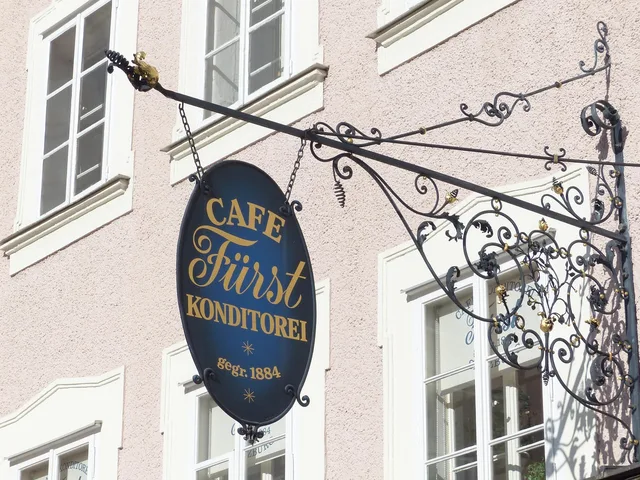
A cafe owner needs a storefront sign, a window graphic, and a menu board. A sign shop design services proposal may include a site photo, a dimensioned proof, and a permit set.
A design studio proposal may include a logo refresh, a color system, and three campaign concepts. The cafe still needs a separate fabrication drawing.
The owner should ask which provider will resize the art for the landlord sign criteria. That task often falls between the two scopes.
For a prospective design studio, use questions before you compare providers to clarify the proposed scope.
Questions to Ask in a Design Consultation
Bring these sign design consultation questions to the first meeting:
- What sign types are in the base fee?
- How many revision rounds are included?
- Who owns the native files at project close?
- What triggers a change order?
- Which code or landlord approvals are excluded?
Record the answers on one sheet. Then compare the quotes as if they cover the same deliverables.