Guides
Sign shop equipment: the parts worth your attention, 2027 edition
The best sign shop equipment brands for 2027, ranked by what each printer, cutter or laminator actually produces and the real jobs each suits.
What to take away
- Rank sign shop equipment for 2027 by the widest substrate it feeds and the ink it cures, not by the badge on the cover.
- Match the machine to the job you quote mostroll-to-roll vinyl, rigid board, or cut vinyl.
- Downtime is the real cost. Budget for it before you budget for a second printer.
- A cutter and a laminator finish more jobs than a second printer usually will.
- Price the full installpower, ventilation, floor space, and the RIP station that feeds the file.
- This list names no 2027 model numbers on purpose. Manufacturers release new names through dealers, and the parts inside change slowly. Rank on the criteria here, then confirm current names and stock with a dealer.
This article covers shop-floor business decisions, not electrical, structural or code work. Wiring, mounting and rigging belong to a licensed electrician, a structural engineer and OSHA 1926. Permit questions go to the authority having jurisdiction.
How this ranking works
Classes are scored on four things: the widest substrate the machine feeds, the ink and cure it uses, the typical installed cost band, and the distance to a service technician. A machine wins its class only after it clears the width and cure you quote most.
Cost bands below are typical US installed figures, not quotes. Power, ventilation, rigging and dealer prep move them by thousands.
| Class | Typical installed band | Top pick | Why it ranks first |
|---|---|---|---|
| Roll-to-roll solvent, 54 to 64 inch | $12,000 to $35,000 | Roland DG TrueVIS | Print and cut in one pass, broad dealer coverage |
| UV roll-to-roll | $25,000 to $70,000 | Mimaki TS | UV cure, less ventilation, some rigid stock |
| Latex printer | $14,000 to $30,000 | HP Latex 700W and 800W | Dry prints, low odor, indoor work |
| Entry solvent printer | $8,000 to $25,000 | Mutoh ValueJet and XpertJet | Low entry point, smaller service network |
| Print-and-cut cutter | $3,000 to $12,000 | Graphtec CE and FC | Tangential knife for mask and reflective film |
| Flatbed cutter or router | $40,000 to $150,000 | Colex | Vacuum table and spindle in one setup |
| Laser | $8,000 to $45,000 | Epilog | Tube, lens and fume extraction set material limits |
| Banner welder | $5,000 to $18,000 | Miller Weldmaster | Seam strength and speed beat sewing |
| Laminator | $5,000 to $25,000 | GBC and Seal | Roller width, heat control, roller cost |
Printer parts: printheads, ink, cure
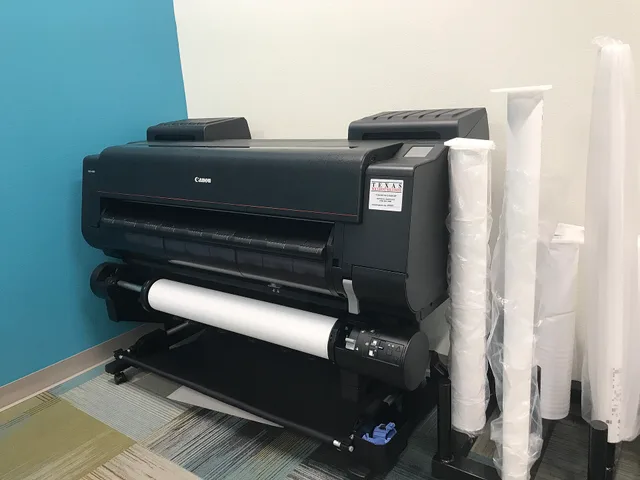
On a roll-to-roll printer, the parts that decide output are the printhead, the ink delivery system, the curing unit, the media feed rollers and the take-up reel. Brands differ most in those five areas.
- Mimakibuilds the JV and TS series, solvent and UV roll-to-roll printers. The JV series uses a piezo printhead and solvent ink. The TS series uses UV ink and a curing lamp. Both handle vinyl, banner and some rigid stock.
- Vehicle wrap shops that want a wide color gamut tend to land here. Pricing runs through a dealer, so ask for the installed figure, not the list figure.
- Roland DGmakes the TrueVIS series, a print-and-cut line. Its cutting carriage and blade holder trim laminated vinyl in the same pass. If your work is decals, labels and small signage, one TrueVIS can replace a printer plus a separate cutter. That consolidation is the reason to pick it.
- HP Latexuses a heated curing unit instead of solvent. Prints come off dry, and the room needs less ventilation. Shops printing wall graphics, canvas and indoor work where odor matters choose it for that. The 700W and 800W series cover different widths, so match the model to your widest common job.
- Epsonsells the SureColor S and resin lines. The resin printers use no solvent and no water in the ink. That suits shops that want durable outdoor prints without a solvent permit. Ask your dealer which models your region stocks.
- Canon Coloradoruns UVgel ink that cures instantly. That lets you laminate immediately and ship faster. High-volume shops doing same-day banner work pick it for throughput. It is a roll machine, so rigid board still needs a flatbed.
- Mutohmakes the ValueJet and XpertJet solvent printers. These are common first production machines for shops moving up from a desktop unit. The entry point is good. The service network is narrower, so confirm the technician distance.
Cutter, router, laser and laminator parts: knives, beds, tubes
On a cutter or router, the parts that decide accuracy and material cost are the blade holder, the cutting strip, the drive rollers, the vacuum table and the router spindle. Laser work turns on the tube, the lens and the fume extraction.
- Graphtecbuilds the CE and FC series vinyl cutters. The FC is a flatbed cutter for thicker material. Its tangential knife option and cutting mat matter for sandblast mask and reflective film. Shops that cut those materials keep a Graphtec next to the printer.
- Summamakes the S and F series cutters. The drive system tracks long runs without drifting. If you cut full rolls of vinyl, that accuracy saves material. Check the tangential knife option for thick films.
- Colexbuilds flatbed cutters and routers for rigid board, foam board and acrylic. The vacuum table holds the sheet, and the router spindle cuts or routes in a single setup. Shops doing mounted prints and dimensional letters use one.
- Zundmakes modular flatbed cutters where you swap tools: knife, router, crease, kiss-cut. The tool changer and vacuum table give high-mix shops flexibility for many small jobs. The entry price is higher.
- Gerber Technologystill supplies classic sign-making cutters and the software ecosystem around them. The blade holders and file compatibility keep existing Gerber workflows on the floor.
- Epilog Laserand Trotec Laser both build CO2 and fiber lasers for acrylic, wood and coated metals. The laser tube, lens and fume extraction set the material limits. Epilog suits smaller shops; Trotec suits higher-volume production. Neither cuts PVC because the fumes are hazardous.
- GCCmakes the Jaguar and Puma cutter plotters. The blade holder and drive system are the parts to check on a lower-cost option for shops that mostly cut vinyl and want a spare machine on the floor.
- Miller Weldmasterbuilds hot-air and hot-wedge welders for banner hemming and tarpaulin. The heating element and drive wheel set seam strength and speed. If you finish a lot of large banners, a welder beats sewing for speed and a clean edge.
Laminators add a finish that wins repeat work. The pressure rollers, heat roller and take-up shafts decide the result. GBC and Seal make wide-format laminators for sign shops. Check roller width, heat control and replacement roller cost before you buy.
Sizing decisions: width, waste and the parts that follow
A 54-inch printer covers most roll vinyl and banner. A 64-inch machine covers full-width wrap film and wider banners without tiling.
The gap between them is material waste on every job. Run your last twenty work orders through both widths before you choose.
The sign shop equipment and setup guide walks the floor-space and power questions that follow the width decision.
New versus used changes the math more than the brand does. A used machine with a service contract can beat a new one without local support, but only if you can name the technician who will show up. The new versus used cost guide breaks out the arithmetic in variables you fill with your own quotes.
Sizing decisions
| Part or machine type | Typical job | What to check first |
|---|---|---|
| Roll-to-roll printer | Vinyl, banner, wrap film | Max width, ink type, cure |
| Print-and-cut | Decals, labels | Cut accuracy over long runs |
| Flatbed cutter/router | Rigid board, acrylic | Bed size, tool changes |
| Laser | Acrylic, wood, coated metal | Material limits, fume handling |
| Banner welder | Hemmed banners | Seam strength, speed |
| Printhead | All inkjet printing | Piezo or thermal, replacement cost |
| Curing lamp or heater | Latex, UV, solvent | Wattage, cure speed, ventilation |
| Media feed and take-up rollers | Roll vinyl, banner | Alignment, tension control, width |
| Cutter blade holder | Vinyl, mask, film | Blade type, tangential option, wear |
| Router spindle | Rigid board, acrylic | Horsepower, collet size, vacuum hold-down |
| Laser tube and lens | Acrylic, wood, coated metal | Tube life, lens cleaning, fume extraction |
| Laminator rollers | Lamination | Roller width, heat control, pressure |
Safety, records and the paper trail
OSHA's safety management guidance asks employers to find and fix hazards before an injury or inspection does it for them. On a shop floor that means guarding pinch points on cutters, managing solvent storage, and training on the equipment you actually own.
OSHA's printing industry page collects the standards and hazard recognition material that apply to ink, solvent and press work.
Keep purchase and service records for every machine: the IRS what records a business should keep explains how they support asset claims, resale and write-off.
Common questions
How should a new shop sequence its first machines?
Start with the printer that matches your most common job, then add a cutter. Roland DG's print-and-cut line and Mutoh's solvent printers are common first production machines because one unit covers printing and trimming.
Which parts wear out first on a sign printer?
Printheads, cutter blades, pinch rollers and curing lamps are the common wear parts. Ask for the replacement price and the expected life in linear feet before you sign. Typical US dealer figures:
Which parts wear out first
- $1,200 to $4,000or 2 to 5 liters of inkPrinthead
- $10 to $40or 500 to 2,000 linear feet of vinylCutter blade
- $30 to $200each, or 2 to 5 yearsPinch roller
- $300 to $1,500for a mercury lamp, or 1,000 to 3,000 hoursCuring lamp
Is a 54-inch or 64-inch printer the better buy?
It depends on your widest routine job. Run your last twenty orders through both widths and compare material waste against the price difference. If you regularly print full-width wrap film, the 64-inch machine pays for itself in fewer seams.
How do I judge service before I buy?
Ask for the service territory map and the name of the technician assigned to your ZIP code. Call that technician's shop and ask their current response time. A machine is only as good as the person who fixes it.
Do I need a laser and a router?
Only if you cut both sheet goods and coated metals. A flatbed cutter with swappable tools covers most rigid work. Add a laser when acrylic edge quality or metal marking is a routine request.