Guides
3 U.S. climate zones and the sign materials that hold up in each
Match sign substrates, adhesives and warranty terms to three U.S. climate zones so coastal, northern and desert jobs survive their worst stress.
What to take away
- Coastal jobs are specified from the design wind speed down.
- Northern signs fail at water entry pointssealant, fastener holes, cut edges, vinyl edges.
- Desert signs fail on UV and heat, so quote cast vinyl with a UV overlaminate.
- No substrate wins in all three zones; stock two adhesive systems and two face grades.
- A warranty that omits the zone, substrate, adhesive and mounting method will be argued about later.
Three zones, three first failures
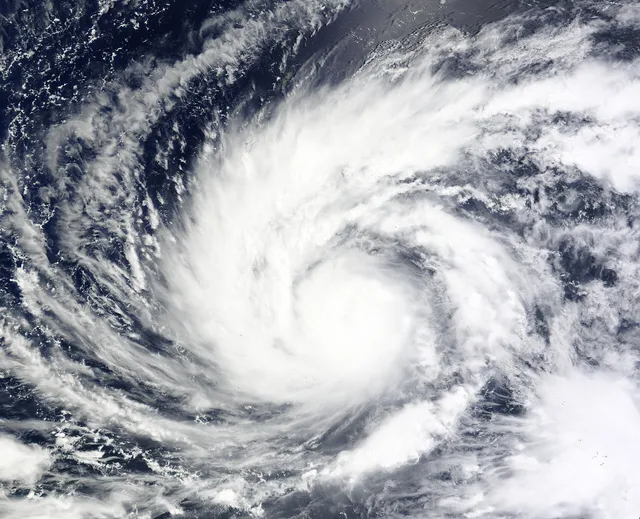
A sign in Miami and one in Phoenix can share a design file and share nothing else. Wind, salt, ice and ultraviolet light attack different parts of the assembly.
NOAA organizes U.S. climate records by region, a better starting point than a manufacturer's national claim. Its climate data covers temperature extremes, precipitation and storm frequency by area.
Three zones cover most exterior specifications:
- Coastal hurricaneAtlantic and Gulf coasts, plus exposed Pacific shoreline.
- Northern freeze-thawUpper Midwest, Great Lakes, Northeast and mountain states.
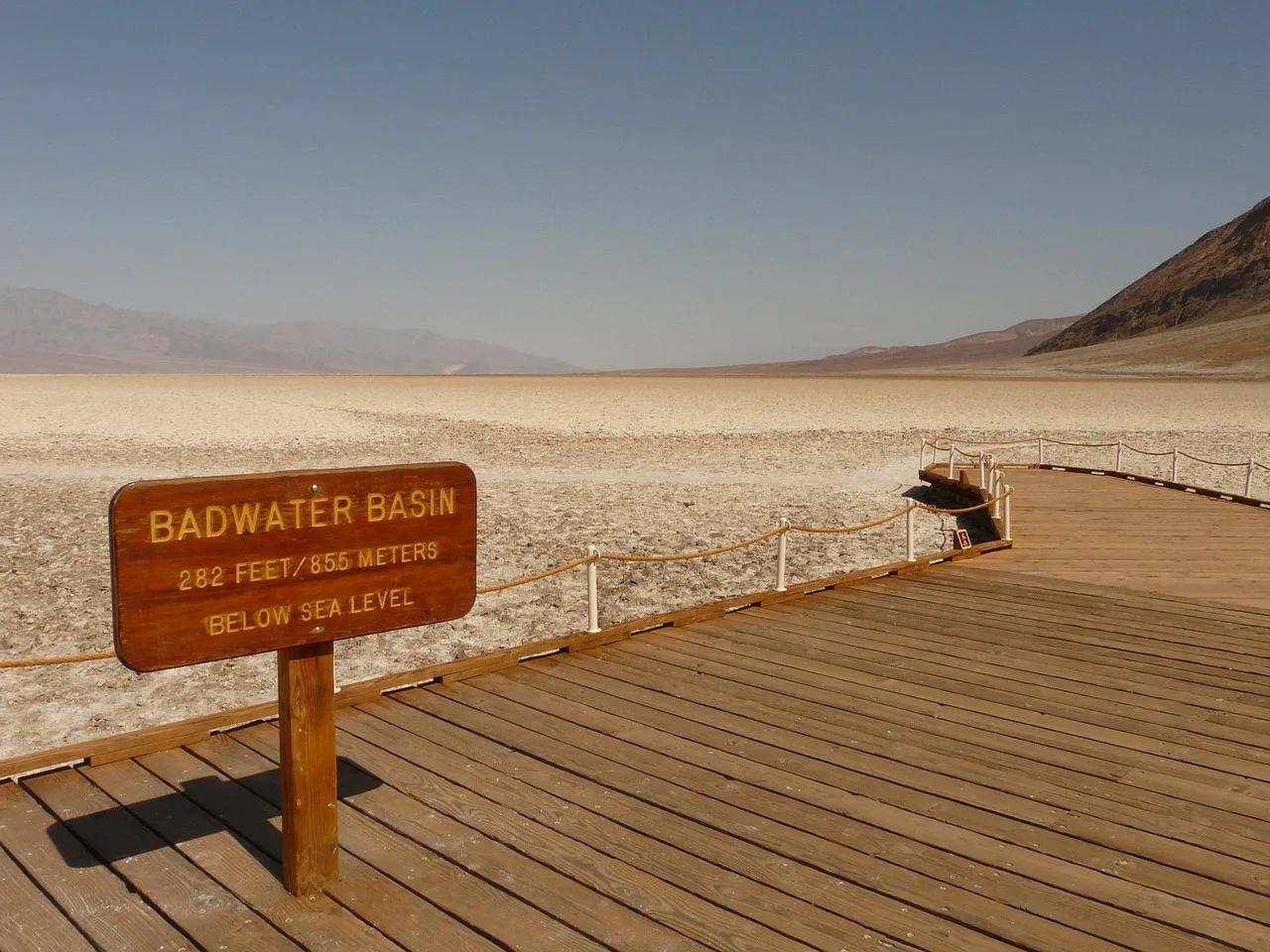
- Southwestern UVArizona, southern Nevada, New Mexico, west Texas and inland Southern California.
Zone is a job attribute, not a customer attribute. One Texas shop can ship to Gulf Coast, high plains and desert clients in a week.
Coastal zone: wind rating, salt and debris
Coastal work starts with the design wind speed the local code requires. The rating is a stamped calculation for one sign, its height and exposure category.
NOAA's seasonal outlook sets how much margin a shop carries into a season, and the Atlantic hurricane outlook is the planning input.
Salt air attacks aluminum at cut edges, steel at welds and fasteners first. Typical quoted service ranges run four to ten years, with the low end tied to unsealed edges and coated hardware.
Building envelope testing is the closest formal framework for pressure and water performance. UL Solutions describes that scope under building envelope services.
Coastal rule: specify the wind rating first, then choose substrate, fasteners and face for salt and debris. The Miami hurricane rating article explains why Miami-Dade approval is stricter than most of the coast.
Northern zone: freeze-thaw and water entry
Freeze-thaw is a water problem. Water enters a joint, fastener hole or cut edge, freezes, expands and pries the assembly apart.
The first failure is rarely the panel. It is the sealant, the fastener or the vinyl edge, and those are the cheapest items to specify correctly.
Adhesive performance drops in cold. Applied below its rated temperature, it will not wet out and it lifts at the first thaw. Write cold-weather requirements into the quote, as the quote template with pricing examples shows.
Southwestern zone: UV, heat and adhesive creep
Ultraviolet light is the dominant stress in the desert Southwest. It breaks polymer bonds in vinyl, coatings and adhesives, producing fading, chalking and eventual bond failure.
Cast vinyl with a UV-stable topcoat holds color longer than calendared vinyl in Arizona or southern Nevada. The cost difference is small against a re-face, and a re-face takes the sign out of service.
Heat softens adhesive and lets the face creep on dark panels, which shows up as edge lift. Digital prints need a UV overlaminate matched to the ink set.
Substrate comparison by zone
No single substrate wins everywhere. The table maps common exterior substrates to the zone where each performs best and the failure it invites.
Substrate Performance by Zone
Coastal hurricane
- Aluminum sheet
- Good, sealed edges
- Acrylic
- Fair, can craze
- Polycarbonate
- Good impact, UV face
- Urethane foam
- Good, needs coating
- Cast vinyl face
- Good, marine adhesive
- Calendared vinyl
- Poor, lifts
Northern freeze-thaw
- Aluminum sheet
- Good, seal cut edges
- Acrylic
- Poor, brittle cold
- Polycarbonate
- Fair, impact grade
- Urethane foam
- Fair, seam water
- Cast vinyl face
- Good, cold-rated
- Calendared vinyl
- Poor, adhesive fails
Southwestern UV
- Aluminum sheet
- Good, heat stable
- Acrylic
- Fair, yellows
- Polycarbonate
- Fair, yellows
- Urethane foam
- Good, UV stable
- Cast vinyl face
- Best, UV overlaminate
- Calendared vinyl
- Poor, fades early
Best zone fit
- Aluminum sheet
- All three
- Cast acrylic
- Southwest, engineered coast
- Polycarbonate
- Northern, coastal impact
- Cast vinyl on aluminum
- All three
- Calendared vinyl
- Short exterior terms
- PVC foam board
- Interior only
First failure
- Aluminum sheet
- Edge corrosion in salt air
- Cast acrylic
- Cold-impact cracking
- Polycarbonate
- UV yellowing
- Cast vinyl on aluminum
- Adhesive creep, edge lift
- Calendared vinyl
- Fading, shrinkage
- PVC foam board
- Delamination
Wind rating, mounting height and local code override the table on every coastal job.
A shop that stocks one vinyl and one panel grade sells the wrong material in two zones, so treat this as an inventory and sourcing planning question.
Adhesive and mounting selection by zone
Adhesive is where most exterior sign failures begin. The panel is fine; the bond is not.
| Zone | Adhesive | Application temperature | Mounting method |
|---|---|---|---|
| Coastal | High-tack acrylic | Typically 60 F and up | Mechanical fasteners, sealed edges |
| Northern | Cold-weather acrylic | Typically 35 to 50 F minimum | Adhesive plus mechanical backup |
| Southwestern | High-shear acrylic | Typical range to 100 F surface | Edge fastening on dark panels |
Those are typical ranges. Confirm the data sheet for the roll you bought.
The mounting detail goes on the shop drawing in every zone. Surface prep, application temperature and edge sealing cause most early failures.
Warranty language by zone
A single national warranty is a liability across three climates. State the zone, the substrate, the adhesive and the mounting method.
Warranty Terms by Zone
- Coastalname design wind speed and engineered assembly
- Coastalexclude windborne debris unless impact specified
- Northernaddress freeze-thaw and maintenance intervals
- Southwesternstate UV exposure assumption
- Southwesternexclude fading beyond defined threshold
- All zonesdefine owner cleaning and inspection duties
| Zone | Typical duration | Covered | Excluded |
|---|---|---|---|
| Coastal | 5 to 10 years | Structure, fasteners, finish | Windborne debris, field changes |
| Northern | 3 to 5 years | Panel, face, install work | Sealant and fastener neglect |
| Southwestern | 3 to 5 years laminated | Color fastness, overlaminate | Fading on bare prints |
Coastal warranties should name the design wind speed and cover the engineered assembly as installed, not the sheet alone.
Permit status sits outside the warranty but affects it, and the permits filed before fabrication decide whether the installation is legal.